
Parker Kicks Off the Holidays with the Mayor’s Christmas Tree Lighting
November 28, 2026
Parker Kids Magazine Issue 1
November 28, 2026
A Place to Belong: How Third Place Is Building a Village in Parker
Story by Andrea Freygang
Photos by Kristen Schneider
For families raising neurodivergent or disabled children, something as simple as finding a place to play can come with unexpected challenges.
Crowded indoor playgrounds, overwhelming noise, safety concerns and the fear of being judged can turn an ordinary family outing into an exhausting experience.
At Third Place in Parker, Colorado, families are discovering a different kind of gathering space. Children can explore at their own pace, parents can connect with people who understand their experiences, and everyone is welcome to be exactly who they are.
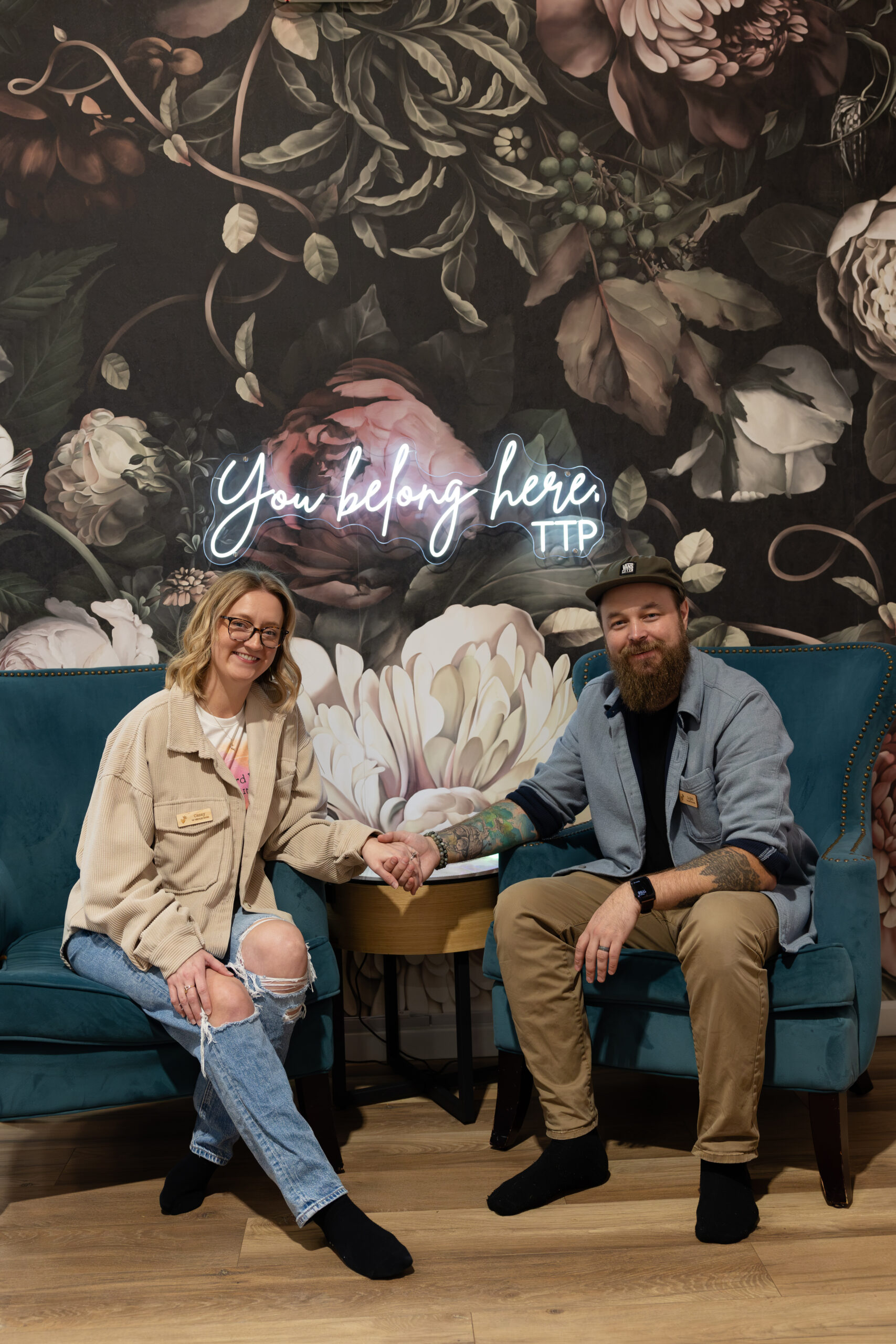
For founders Casey and Logan Brown, creating that environment wasn't simply a business idea. It was the answer to a need they knew firsthand.
Born From a Family's Own Journey
As parents of two neurodivergent children, the Browns experienced the isolation that can accompany raising children whose needs don't always fit into traditional community spaces.
Logan remembers the challenges of taking their youngest daughter, Zoe, into public places, where sensory overload, difficult moments and the possibility of her wandering away required constant vigilance. He also understands sensory overwhelm personally.
Casey had found a small sensory-friendly play space called The Spot that offered something her family desperately needed: a place where her children could play while she connected with another parent.
When that business closed after just eight months, she was devastated.
Rather than accept that families had lost one of the few places where they felt understood, Casey began imagining a larger community center built around belonging.
In May 2025, the Browns opened Third Place in Parker. The registered 501(c)(3) nonprofit serves families with neurodivergent and disabled children, but it does not require a diagnosis to participate.
Their goal was never to separate families from the broader community. It was to create a welcoming environment that recognized different needs and made room for everyone.
The Browns also wanted to address the isolation parents can experience. They knew children needed opportunities to play and form friendships, but caregivers needed those connections, too.
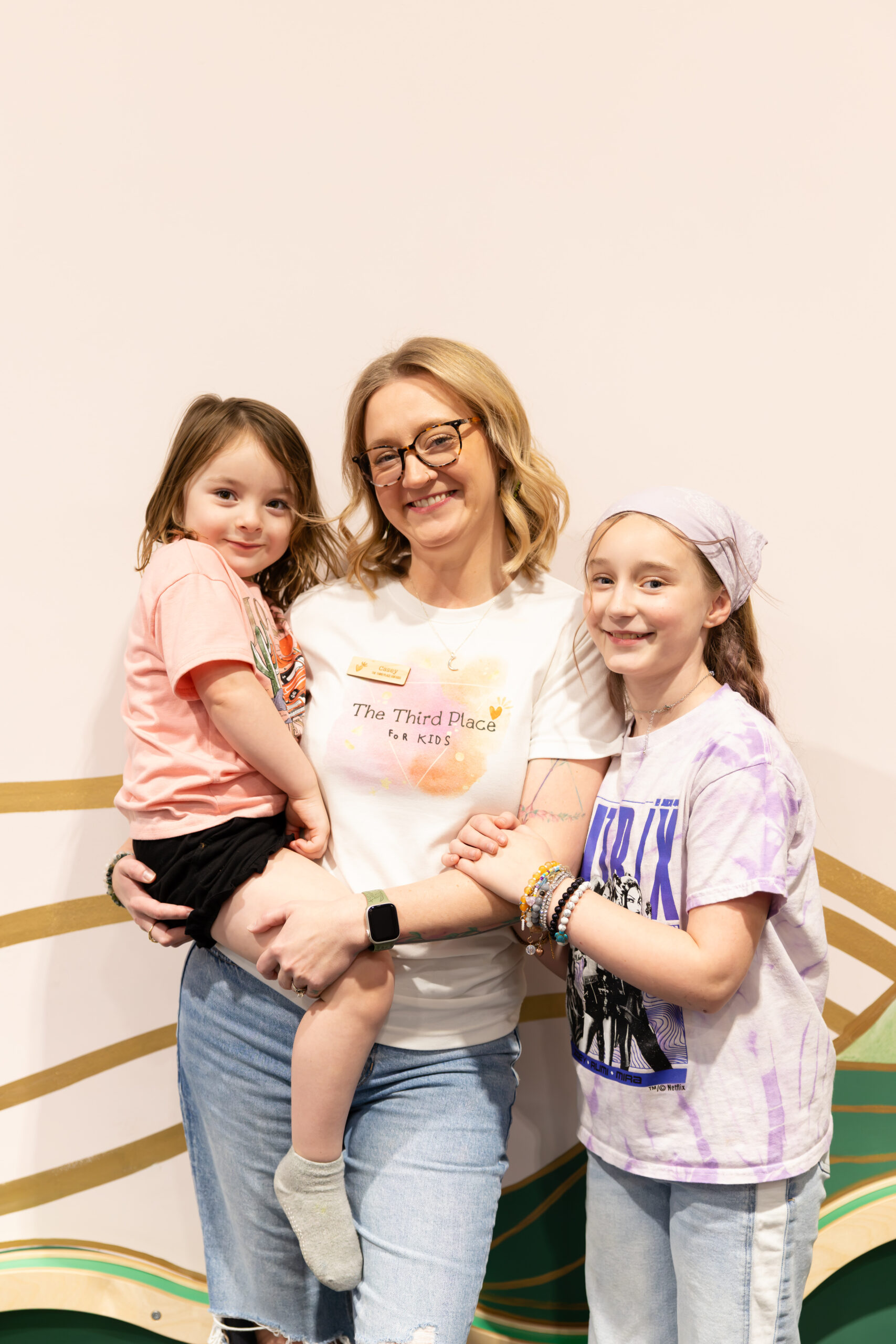
Casey describes the families who gather there as different versions of a shared journey. Over time, people who first walked through the doors as visitors have become an important part of her own family's community.
Designed With Intention
At Third Place, the sensory experience begins almost immediately.
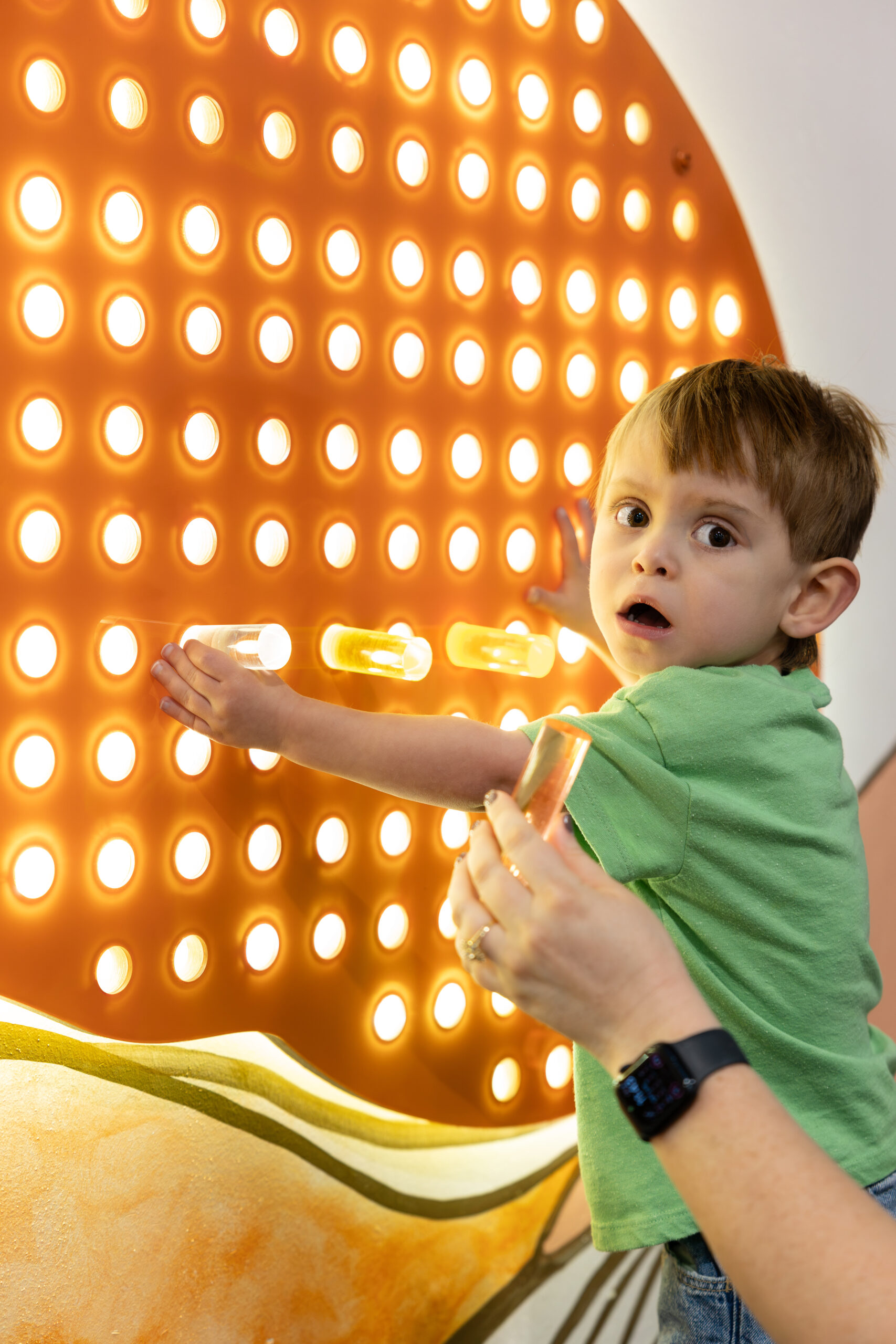
A large interactive mural welcomes children before they even complete registration. Inside, a dedicated sensory room provides opportunities for tactile play, fine-motor activities and quieter exploration.
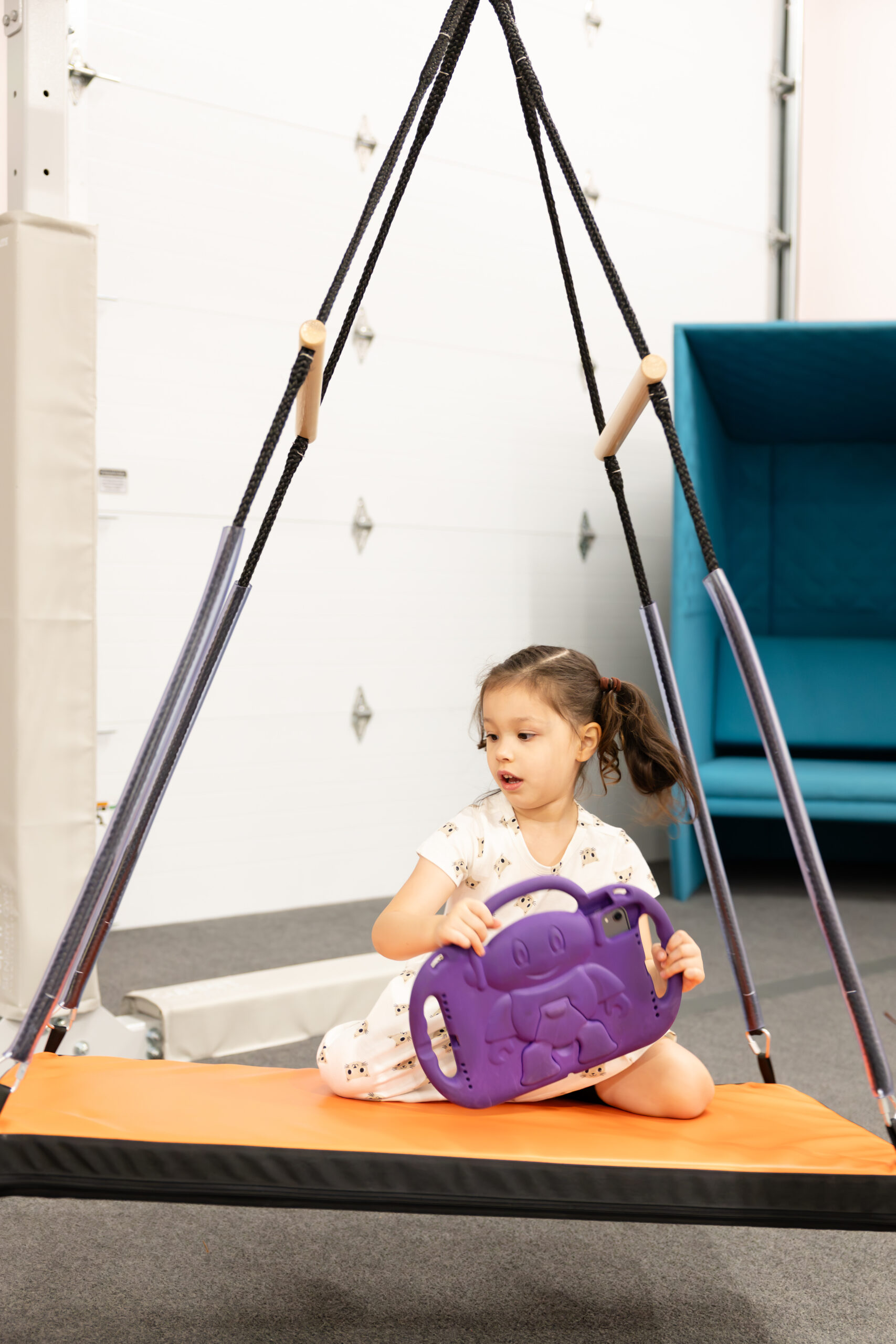
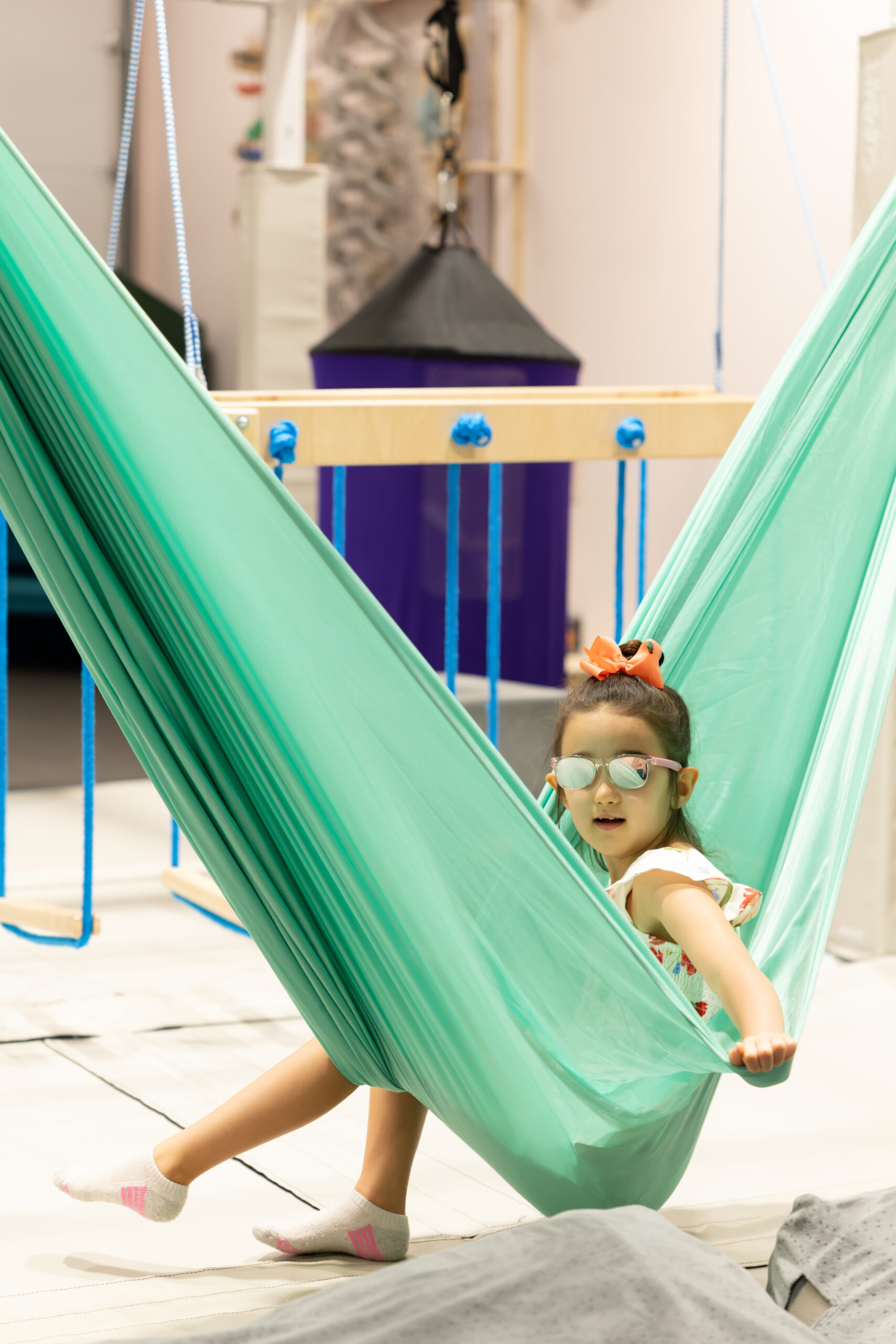
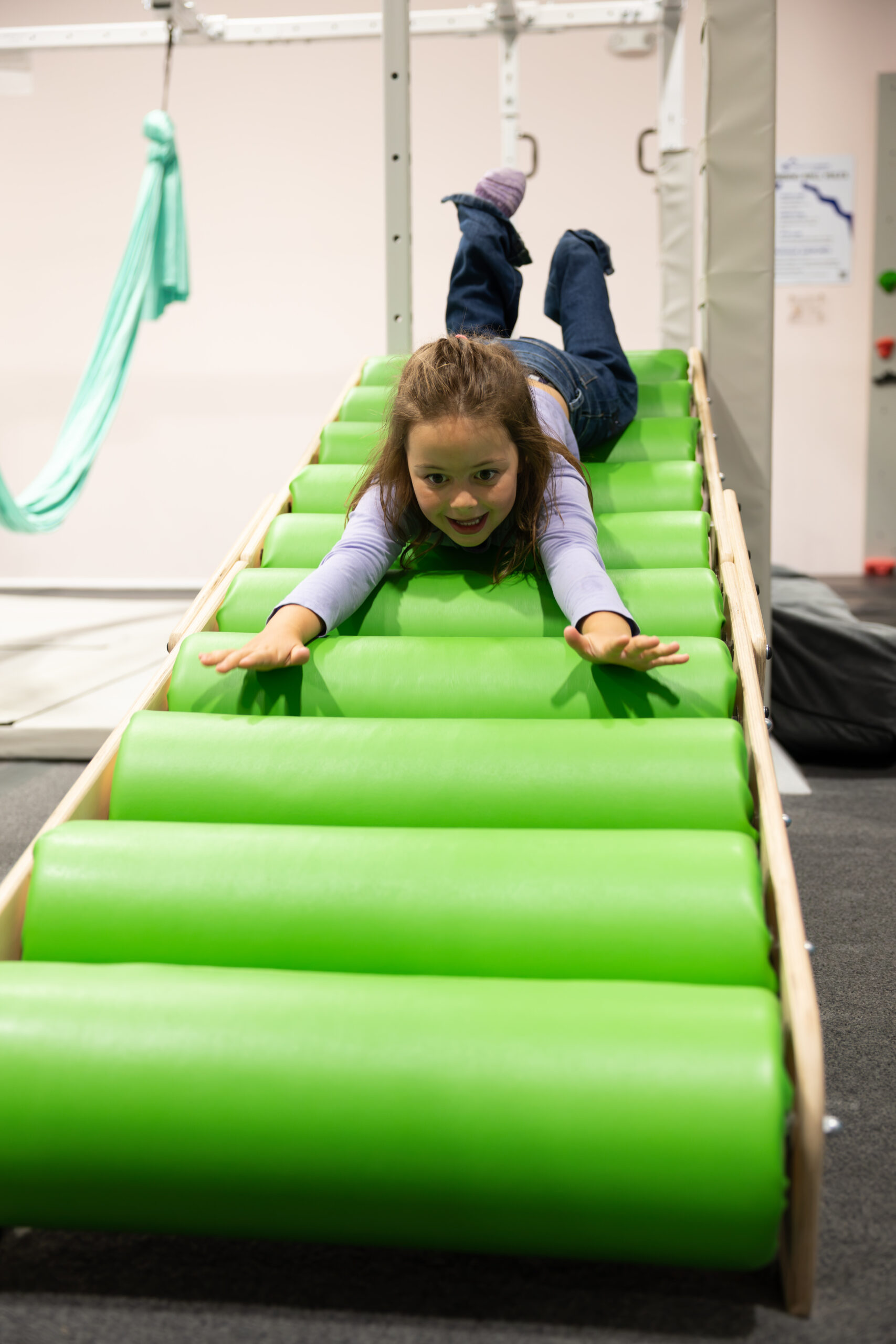
The main gym includes swings, slides, sensory tables, light-up activities and other equipment selected with different abilities and sensory needs in mind. Activities and equipment are rotated to provide variety.
Among the accessibility features is an indoor wheelchair-accessible swing, which staff can set up when a family requests it. Other installations are designed to encourage participation by children with different physical and developmental abilities.
But some of the most thoughtful decisions are less obvious.
The facility limits attendance to 15 children at a time. That restriction is intentional: the Browns wanted families to experience play without the crowding and noise often associated with larger indoor entertainment centers.
Gated rooms help parents of children who wander feel more secure.
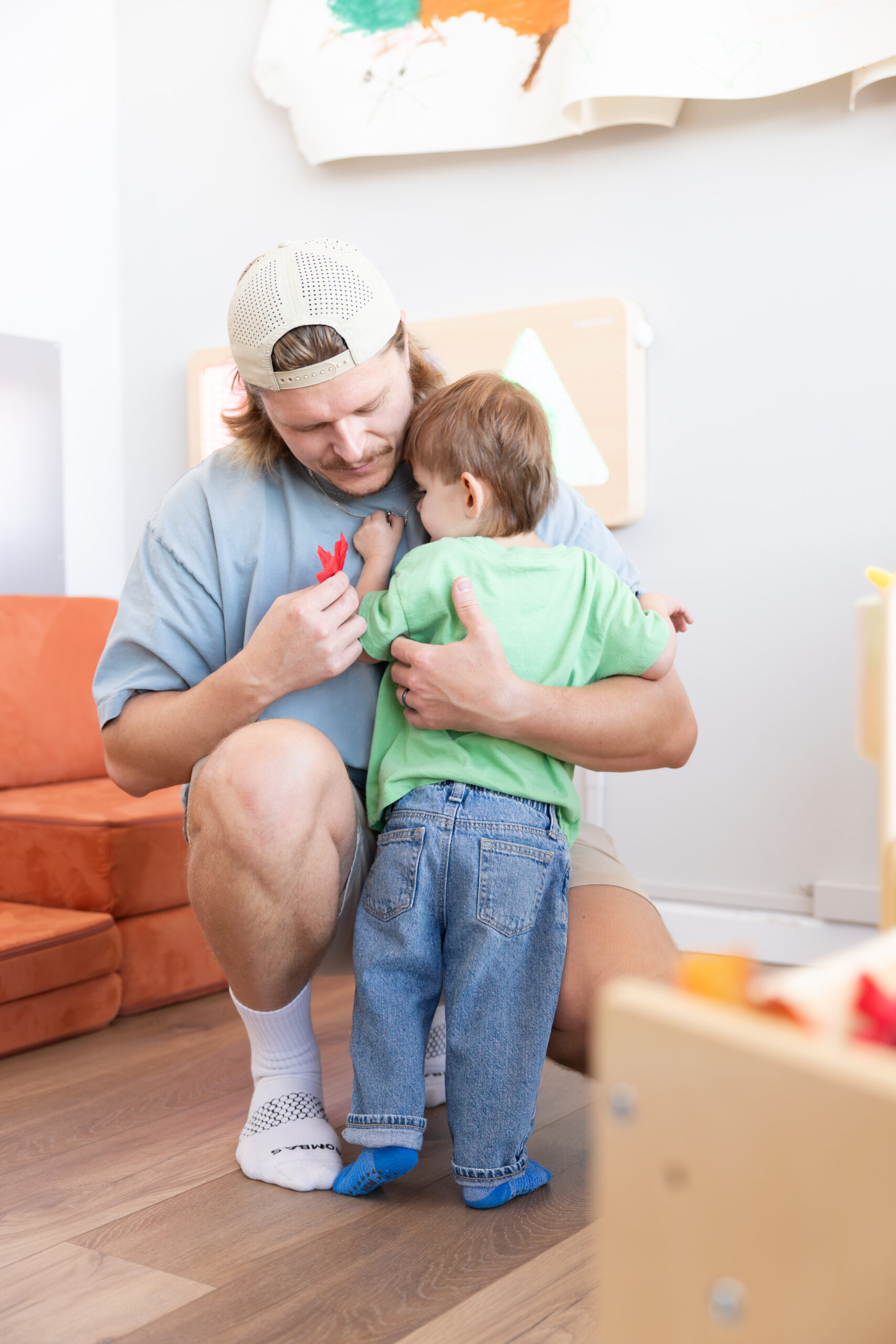
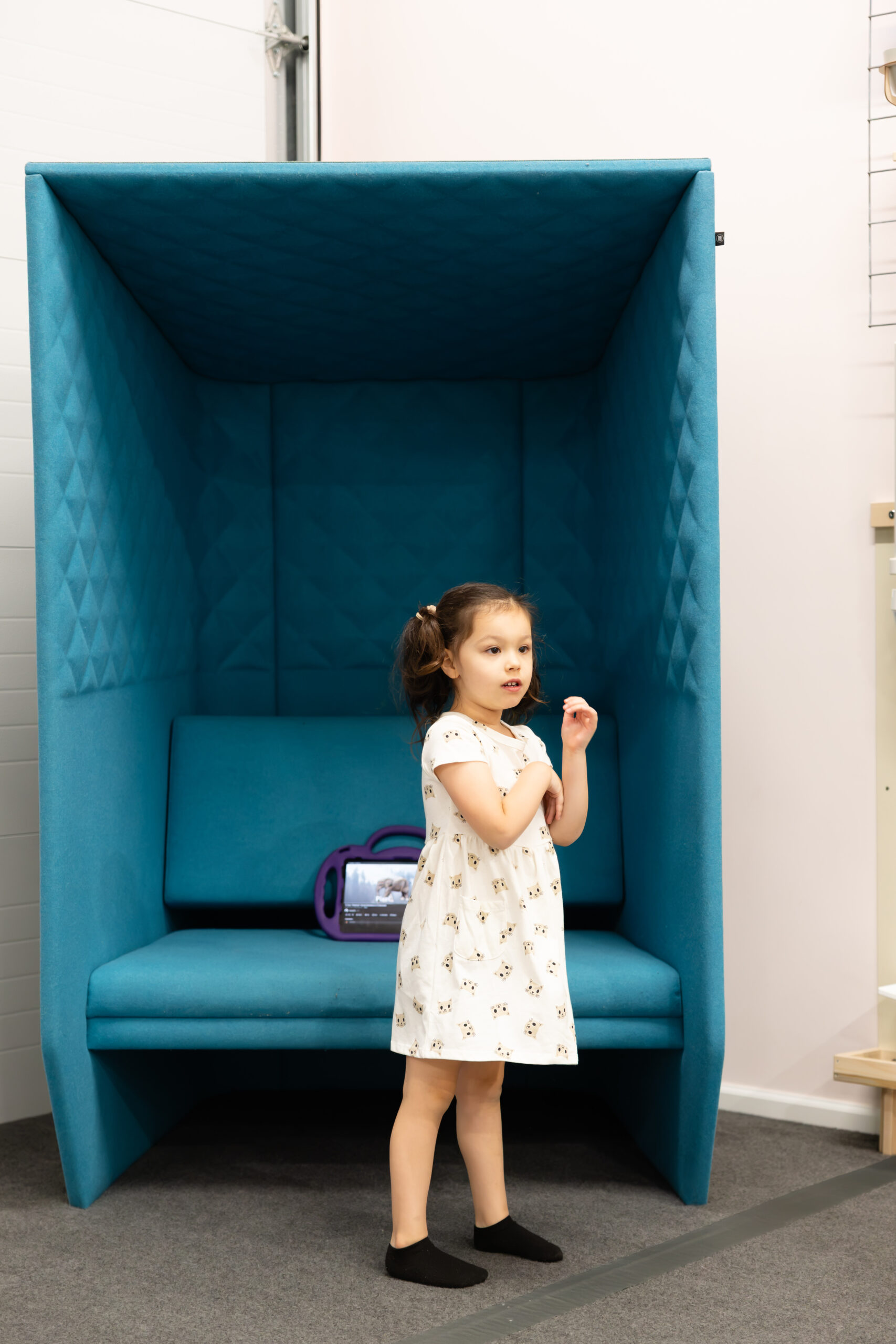
And throughout the center, comfortable seating is arranged to encourage conversation. Rather than rows of chairs where adults sit separately, couches face one another, creating opportunities for parents to introduce themselves, share experiences and form relationships.
The Browns wanted Third Place to feel like a home away from home, not another place where families had to work hard to fit in.
A Place Where Families Can Exhale
For Nicole and Taylor Haze, the difference is deeply personal.
Their family spent years searching for environments that could accommodate their children's needs. Their younger daughter, Logan, is prone to wandering, making many public outings stressful.
At Third Place, the safety features and understanding atmosphere allow the parents to relax in a way they rarely can elsewhere.
Nicole has seen how much care Casey and Logan have put into the center, from its equipment to the community they are building.
"It's a place where you can exhale."
Their daughter has also developed meaningful connections with other children. Those friendships do not always look like traditional playground interactions. Sometimes children simply sit beside one another, sharing a space and an experience.
To the Haze family, those connections matter.
Taylor has described Third Place as a place where families searching for understanding can finally feel at home.
The family has become involved in supporting the nonprofit as well, including helping raise money for its building sign.
Finding a Village
Juli and David Stephens discovered Third Place through an online community shortly after it opened.
Their daughter, Penelope, found an environment where she could play freely, without the expectations or judgment that sometimes accompany outings elsewhere.
Juli remembers how meaningful it was to see her daughter simply being herself.
The family also homeschools Penelope, making a welcoming place for play, social interaction and community especially valuable.
David appreciates being able to let their daughter explore without constantly looking over his shoulder. At Third Place, parents can sit down, check their phones, meet other families and enjoy a conversation.
For Juli, the experience goes far beyond having somewhere to spend an afternoon.
"You just know you are not alone."
She describes a community where parents can ask for help, share experiences and find people who understand their families without needing a lengthy explanation.
That sense of belonging is what Casey and Logan hoped to create from the beginning.

More Than a Play Space
Although the sensory gym and playroom are central to Third Place, the nonprofit continues to develop programming that supports the entire family.
Movement-friendly storytelling is designed for children who may not enjoy sitting still through a traditional story time. Rather than expecting every participant to listen quietly, the program encourages children to move, participate and help shape the experience.
Third Place has also introduced sibling-focused programming. Siblings of neurodivergent or disabled children may have their own questions, experiences and needs for connection, and the Browns want them to feel included in the community.
Parent gatherings and support opportunities give caregivers a place to discuss everything from school transitions to navigating services and adjusting to a new diagnosis.
The center also welcomes therapists who work with participating families. Instead of limiting therapy to a traditional clinical environment, providers can use the sensory equipment and social setting to support their clients.
These partnerships have grown naturally as families and professionals recognize the benefits of having a welcoming community space.
Celebrating Holidays Differently
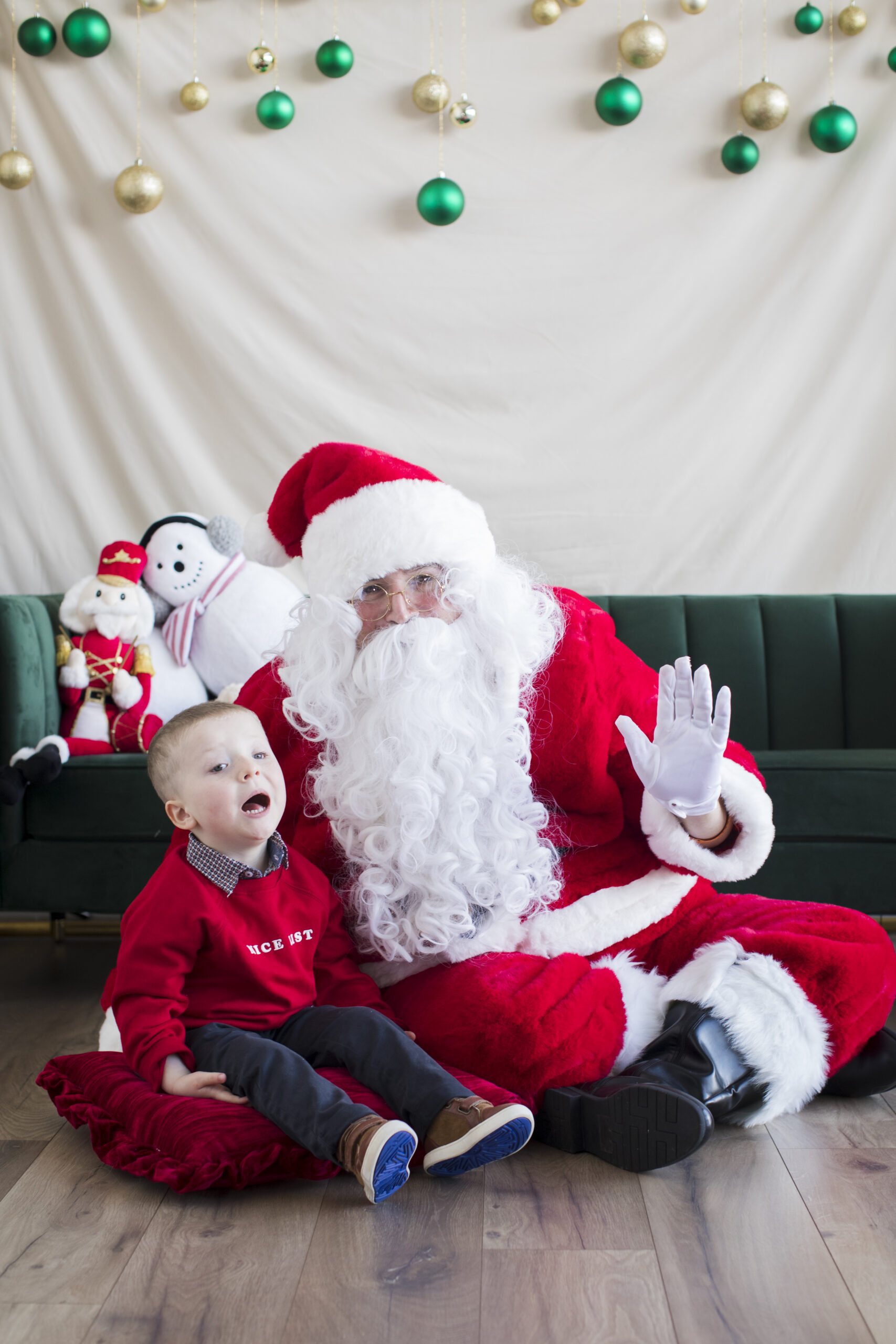
Third Place works to make familiar childhood experiences more accessible. For an Easter celebration, organizers attached eggs to helium balloons so children using wheelchairs could participate more easily in an egg hunt. The goal was simple: children should have opportunities to enjoy the same celebrations as their peers, with thoughtful adjustments that make participation possible. The nonprofit also hosts sensory-friendly holiday activities, including a Santa experience that transforms part of the facility into a winter wonderland.
For children who find traditional holiday events overwhelming, a quieter setting and people who understand sensory differences can make a meaningful difference. The planned 2026 Sensory Santa celebration is scheduled for December 19 and 20, with reservations expected to open December 1. Families should confirm details with Third Place before making plans.
Helping Families Access the Community
Through its Developmental Pathways partnership, eligible families in Douglas and Arapahoe counties may qualify for scholarship assistance toward membership costs. Third Place also offers its own scholarship opportunities supported by donations. The organization works with families to identify possible funding sources and connect them with other community resources.
This commitment is particularly important because children in the same household may have different eligibility for services. The Browns have been exploring ways to help siblings participate when existing funding doesn't cover everyone.
Creating a Community Beyond Its Walls
The Browns understand that a welcoming space must also be financially accessible. Third Place offers memberships and individual day passes, and every family's first visit is free. Families are asked to complete the required waiver before participating. The nonprofit also maintains a live capacity counter on its website so parents can check how busy the center is before arriving. Financial assistance is an important part of the mission.
Through its Developmental Pathways partnership, eligible families in Douglas and Arapahoe counties may qualify for scholarship assistance toward membership costs. Third Place also offers its own scholarship opportunities supported by donations. The organization works with families to identify possible funding sources and connect them with other community resources.
This commitment is particularly important because children in the same household may have different eligibility for services. The Browns have been exploring ways to help siblings participate when existing funding doesn't cover everyone.
A Vision Bigger Than Parker
The Browns have already seen how widely their idea resonates.
Before Third Place opened, they invited a family involved with Accessible Adventures to visit the space and offer feedback about physical accessibility. A video of that visit attracted attention far beyond Parker, with families in other communities asking how they could create something similar.
The response reinforced the Browns' belief that the need is much bigger than one Colorado town.
They invested their savings and significant personal effort into building Third Place. Rather than simply opening more locations themselves, they hope to develop a model that helps other communities create their own sensory-friendly centers.
That could include sharing the design decisions, operating practices and lessons learned in Parker.
The Browns are also thinking about what happens as children grow older.
Third Place's primary open-play environment serves children 12 and younger, but families of teenagers and adults need welcoming community spaces, too.
The possibility of future programs or spaces for older participants remains part of the long-term vision.
For now, the Browns can see the impact in the families who return week after week.
Children who once struggled to find a comfortable place to play are developing friendships. Parents who felt isolated are exchanging phone numbers and helping one another navigate life's challenges.
And a center created from one family's search for connection has become a community of its own.
A village. A community. A place to call home.
Planning Your Visit to Third Place
Third Place welcomes families to experience its sensory-friendly environment and discover whether the community is a good fit for their children.
|
Visitor information |
|
|---|---|
|
Ages |
Birth through age 12 |
|
First visit |
Free |
|
Diagnosis required |
No |
|
Maximum capacity |
15 children at a time |
|
Admission options |
Day passes and memberships |
|
Scholarships |
Available for qualifying families |
|
Accessibility |
Wheelchair-accessible swing available by request |
|
Registration |
Waiver required for each child |
|
Capacity counter |
Available on the Third Place website |
|
Phone (Call or Text) |
Families can check the live capacity counter before leaving home, particularly if their child benefits from visiting during quieter periods.
Visit website at www.thethirdplaceforkids.org.
Programs and Opportunities at Third Place
Stories Meant for Movement
Led by Thomas Wilson, a neurodivergent adult, this storytelling program encourages children to move, participate and become part of the story rather than requiring them to sit quietly and listen.
Sib Squad
Designed with the support of a child life specialist, Sib Squad recognizes the unique experiences of siblings of neurodivergent and disabled children. The program provides opportunities for siblings to connect with others who understand their family experiences.
Parent Support Group
Third Place offers opportunities for parents and caregivers to connect, exchange advice and share experiences. Its monthly parent support group is intended to welcome families beyond the center's existing membership.
Therapy in a Community Setting
Local therapists can use Third Place's sensory equipment and play environment while working with their clients. This allows children to practice skills in a natural social setting. According to Casey Brown, therapists accompanying their clients are not charged admission.
Membership Scholarships
Third Place works with community partners to reduce financial barriers for families.At the time of the interview, Casey explained that eligible families participating in Developmental Pathways' scholarship program could receive assistance covering 80 percent of membership costs for six months.
Families should contact Third Place directly for assistance with applications, eligibility requirements and alternative scholarship opportunities.
Resources for Parker-Area Families
The following organizations and programs offer additional opportunities, support and resources for families raising neurodivergent children and children with disabilities.
The Third Place for Kids
A nonprofit sensory-friendly community center in Parker offering accessible play, family connections, parent support, educational programming and membership scholarships.
Website: www.thethirdplaceforkids.org
Developmental Pathways
Developmental Pathways connects individuals with developmental disabilities and their families to case management, community resources, Medicaid waiver services and funding opportunities.
Families interested in Third Place membership scholarships can contact the organization or speak with their existing case manager about available funding.
Website: www.dpcolo.org
Night Lights
Night Lights is a Colorado nonprofit that provides respite care opportunities for families raising children with special needs. Its programs give parents and caregivers an opportunity to rest while their children participate in supervised activities.
At the time of the interview, Third Place was serving as a Parker location for the program, with respite evenings held on the second Friday of each month.
Website: www.nightlightskids.org
Shine Together ABA
Shine Together ABA provides Applied Behavior Analysis (ABA) therapy to support children with autism and their families. The local provider is also involved in Third Place's Sensory Santa celebration, helping create a welcoming holiday experience where children of all abilities can enjoy the magic of meeting Santa in a supportive, sensory-friendly environment.
Website: www.shinetogetheraba.com
Accessible Adventures
Accessible Adventures shares experiences and information about accessible activities, travel and recreation for families raising children with disabilities.
The family behind Accessible Adventures provided feedback on Third Place's physical accessibility before the facility opened.
Website: www.accessibleadventures.net
Square Peg Foundation
Square Peg Community Foundation supports individuals with disabilities and their families through access to adaptive equipment, communication tools, educational opportunities and community resources. The nonprofit works to reduce barriers and help individuals participate more fully in everyday life.
Third Place is also exploring a partnership with the foundation to expand scholarship opportunities for siblings who may not qualify for existing disability-related funding programs.
Website: www.squarepegcommunityfoundation.org
Freedom Dog Services
A Colorado nonprofit that trains and partners service dogs with individuals with disabilities.
Website: www.freedomservicedogs.org
Douglas County School District — Special Education
Douglas County School District provides special education services and educational resources for families of children with disabilities, including information about individualized education programs, evaluations and student supports.
Website: www.dcsdk12.org
Parker Parks and Recreation — Therapeutic Recreation
Parker Parks and Recreation offers recreational opportunities for individuals with varying abilities. Families can explore adaptive and inclusive recreation programs, activities and community events.
Website: www.parkerrec.com
Douglas County Community Foundation
The Douglas County Community Foundation supports local nonprofits and charitable initiatives that strengthen the Douglas County community.
Website: www.dccf.org
Douglas County Human Services
Douglas County Human Services connects residents with community assistance, family support programs and additional resources.
Website: www.douglasco.gov